But Caltrain is a failure. Public transit ridership does not lie.
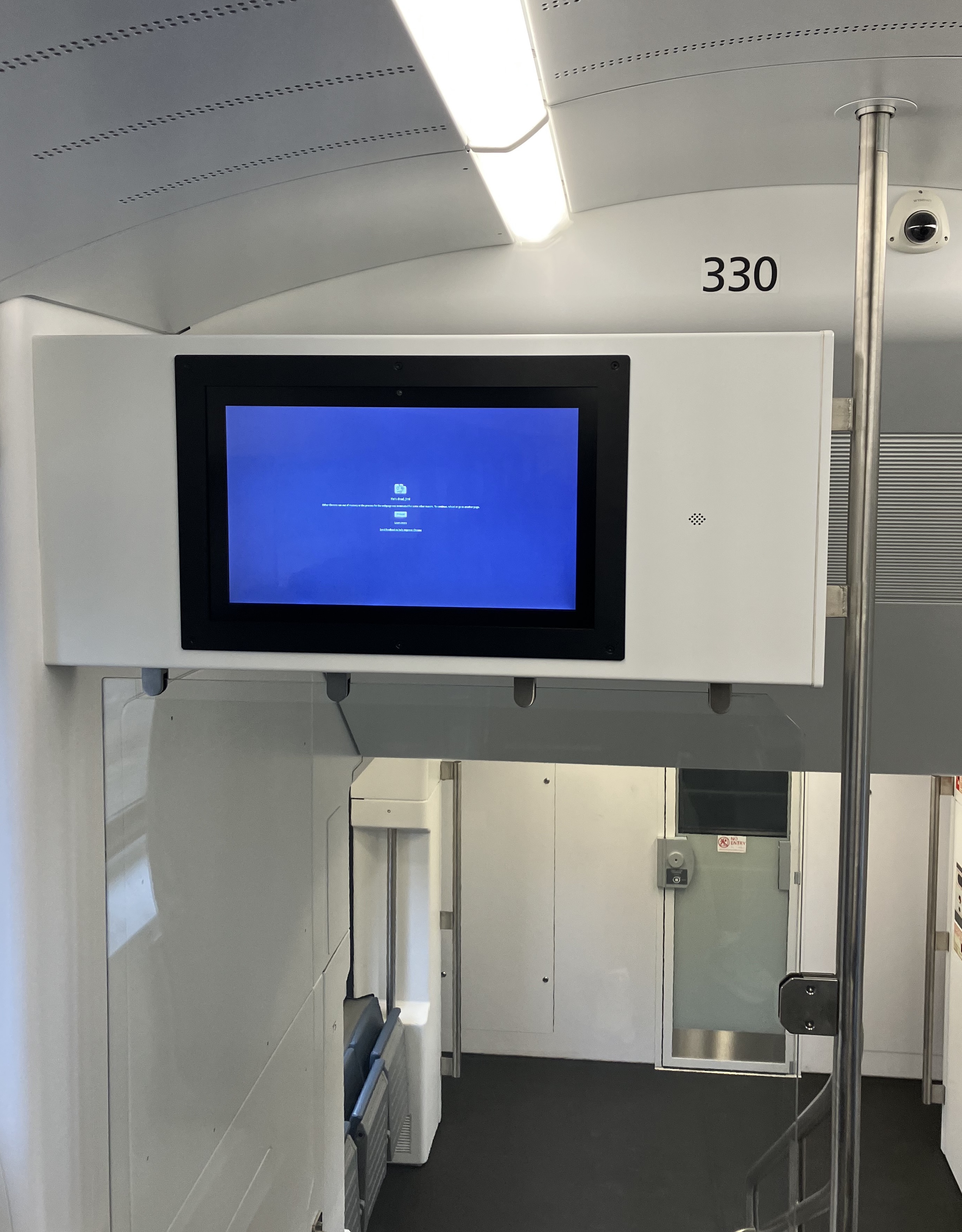
After spending billions of dollars on electrification, Caltrain is still carrying fewer riders than before the pandemic.
"When are we going to stop describing our ridership as a percentage of pre-COVID? [... W]e are playing into a narrative of relative failure" —Public transit consultant Jarrett Walker
But Caltrain is a failure. Caltrain has only just reached ⅔ of pre-pandemic average weekday ridership, despite spending over $2 billion on electrification and a new fleet, reducing travel times by 5 to 10 minutes for typical trips, and bringing half-hourly all-day service to all stations. The improvements are nearly 2 years old, and ⅓ less ridership is the best result that the board, the executives, the management, the planners, the consultants, and the vendors could deliver?
The Bay Area's local bus systems are approaching pre-pandemic ridership levels. They never benefited from lavish capital investment. They are providing much less service than before the pandemic (and historically), due to declining operating subsidies.
I've gotten around on public transit all my life. I've been scrutinizing schedules, fares, operating budgets, and capital projects, and participating in the public process, for 30 years. I myself am tired of making excuses for the transit industry!
Ridership is one of the few objective indicators of success. Transit agencies do have control. If they plan, build, and operate systems that match people's needs, people will ride. In what other industry do we celebrate output without regard for demand?
Added August 20, 2026:
The inescapable failure is that electrification attracted little net new ridership.
To distinguish pandemic recovery from the effects of Caltrain electrification, we can compare BART with Caltrain. The comparison is approximate, but BART's Blue, Yellow, and especially Green Lines link San Francisco to deep suburbs, just like the sole Caltrain line. The reduction in Downtown San Francisco office and retail occupancy affects Caltrain and BART equally. Some of the same employers have conducted mass layoffs on the San Francisco Peninsula (Caltrain) and in Pleasanton (BART Blue Line). Multi-family housing towers or blocks have popped up in Downtown San José (Caltrain), Downtown and Uptown Oakland (BART), and Warm Springs and Milpitas (BART Green Line).
Although weekend ridership has increased on BART and Caltrain, it's still a fraction of weekday ridership. Of course there are also many more weekdays in a year than weekend days. Comparing weekday ridership changes is correct.
Weekday BART ridership is ½ the pre-pandemic peak (and regrettably, less than half the historic peak achieved in the fiscal year ended June 30, 2016). For more than 2 years, BART has been operating essentially the same level of service as before the pandemic. On weekdays, evening and night service is unchanged, midday service is greater on the Yellow Line, and daytime service is very slightly reduced everywhere else.
Weekday Caltrain ridership is ⅔ the pre-pandemic level. It was almost 2 years ago that the electrification project was completed and Caltrain doubled mid-day, evening and night weekday service to half-hourly and shaved 5 to 10 minutes off typical travel time.
⅔ less ½ is only ⅙, a terrible ridership gain for a $2.44 billion capital investment, to say nothing of the ongoing increase in operating costs. This is why I hold out for ridership as one honest measure of demand. If you build it, they don't necessarily come.
Adapted from my comments on "Public Transit Is Not 'Coming Back' ... It's Doing Something Better", a June 23, 2026 blog post by Jarrett Walker of Human Transit fame. Re: objectivity, transit agencies often publish ridership figures that are not comparable (calendar difference, special event service, extension or service increase, new counting method, new discount fare, etc.).